
Standing Room Only: St. Pete's Theatre Scene Defies the Post-Pandemic Slump
Sold-out runs, added dates and extra chairs in the aisles: St. Pete's independent theatres are bucking a national slump.

When house lights go down in regional theatre these days, the mood behind the curtain is often anxious. Across the country, venues are quietly shrinking seasons, cutting staff and praying for single-ticket walk-ups.
In St. Petersburg, however, the new season isn’t just opening — it’s bursting through the doors. Local box offices aren’t merely meeting targets; they are scrambling to add extra dates and literally squeezing extra chairs into the aisles to satisfy a hungry audience.
A blitz at the box office
The momentum across St. Pete’s independent venues looks less like a cautious post-pandemic recovery and more like an outright box office blitz.
The Studio: Before The Wash even opens this Thursday, the co-production with Powerstories has virtually sold out its entire run. According to the company, 85% of all tickets are sold, forcing a newly added matinee onto the schedule for Oct. 10 just to clear the waitlist.
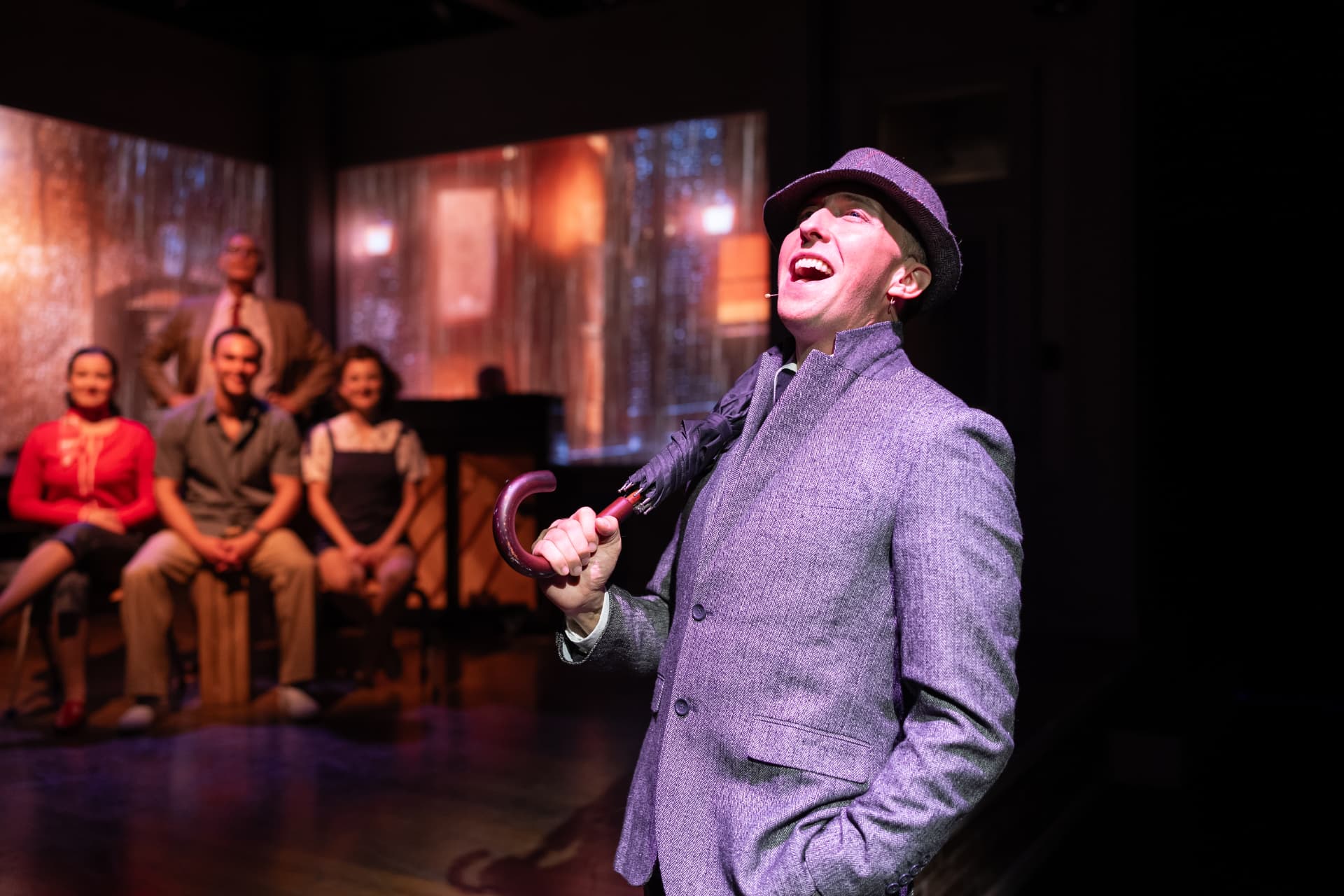
freeFall Theatre: Opening with What a Glorious Feeling!, freeFall locked in a runaway hit. Running an ambitious six shows a week over three weeks (17 performances total), 10 dates sold out completely, with the rest still hovering at an enviable 70% seat capacity. The demand forced an added performance on Oct. 4.
“For years now, we have been experimenting with so many different ways to attract audiences. What a Glorious Feeling! is the perfect blend of compelling story, world-class talent and shorter run all culminating into an SRO hit as our season opener. We hope this trend continues with The Da Vinci Code opening in November.”
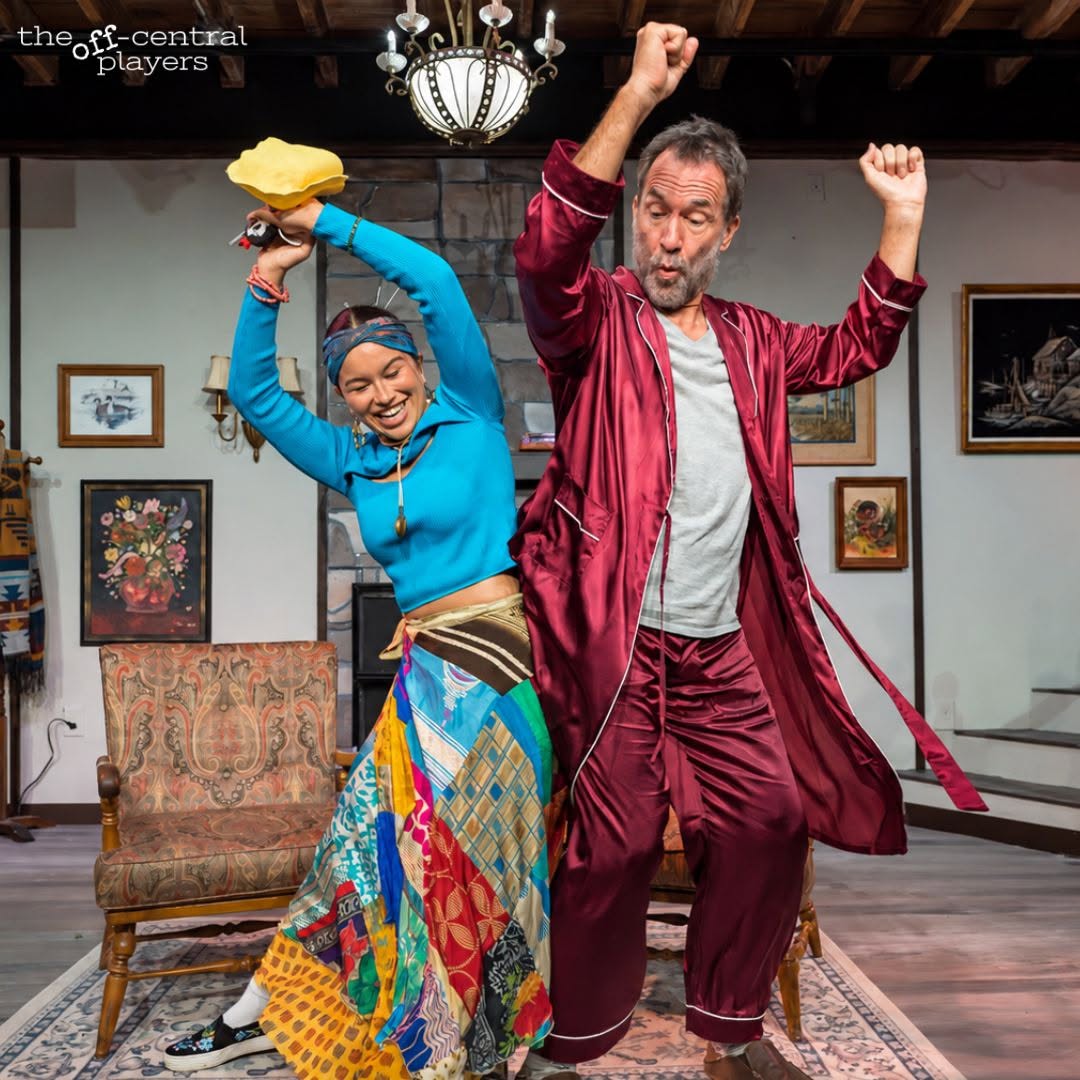
The Off-Central: OCP shattered its historical record for a season opener with Vanya and Sonia and Masha and Spike, posting a 13.5% attendance surge over last season’s Bakersfield Mist. Across the entire run, OCP filled 93% of available seats — and on multiple nights surpassed 100% capacity by tucking an extra eight to 10 patrons into every open corner of the space. Outside of its hit Who’s Holiday!, it stands as the most successful production in OCP’s history.
Why St. Pete is bucking national trends
This local surge stands in stark contrast to national reporting from American Theatre magazine, where the prevailing story for regional houses has been one of contraction. To hedge against inflation and lagging subscription bases, many theatres across the nation retreated after 2020 into “safe” territory: solo monologues, two-person plays and pared-back sets to trim production costs.
St. Pete’s creative leaders chose a far bolder path:
- Betting on the ensemble: Every one of these season openers features a cast of more than five performers. Rather than shrinking the experience, local venues offered the exact thing streaming screens cannot replicate — the rich, kinetic energy of a full human ensemble in an intimate room.
- Manufactured urgency: Instead of long, drawn-out six-week engagements, houses are opting for tight, three-week runs. The condensed schedule generates immediate word-of-mouth and a severe fear of missing out, pushing theatergoers to buy early rather than waiting until the final weekend.
- Agile staging over legacy models: By ditching rigid subscription expectations in favor of flexible runs and distinct play selections, these venues are training audiences to view the theatre as an energetic event rather than a static obligation.
A vital surge, with a reality check
While these packed houses are a resounding vote of confidence from the community, industry insiders know that sold-out signs don’t equal financial immunity. In nonprofit performing arts, ticket sales typically cover only a fraction — often around 30% to 50% — of what it costs to produce high-caliber live theatre. Rising licensing fees, set construction materials and fair compensation for artists mean that philanthropy and municipal support remain critical.
Yet, as a barometer of community appetite and creative vitality, St. Pete isn’t just surviving the post-pandemic era. It is putting on a masterclass in how to bring people back to the dark room where the magic happens.

More theatre.
Gotta Dance: freeFall’s “What a Glorious Feeling!” Is a Tap-Jazz-Ballet Knockout

The Great Pinellas Stage Heist: How We’re Turning a County of Beach Towns into Florida’s Boldest Theatre Hub
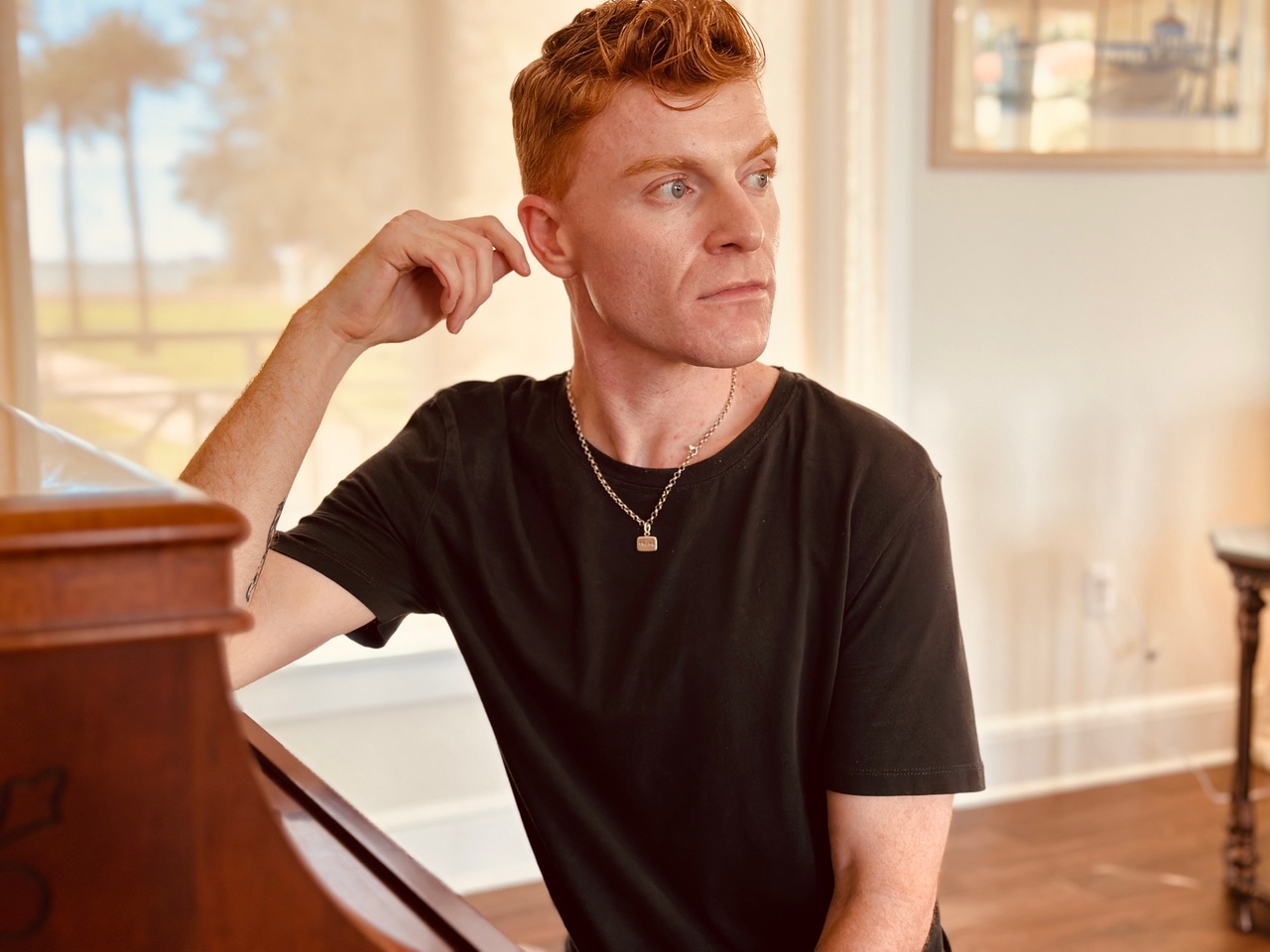
“Fifteen Years Ago, I Killed My Sister”: Why The Off-Central’s Latest Black Box Risk Is the Conversation St. Pete Needs Right Now
Get the arts in your inbox.
Every Friday. Reviews, shows worth seeing, and interviews you won’t read anywhere else. Free.